 Skip to content
Okay, friends, let’s talk bread. Is there anything better than that smell wafting through your kitchen? That warm, yeasty goodness that just screams “home”? I don’t think so! And when it comes to comforting aromas and unforgettable tastes, German bread is in a league of its own.
It’s got this amazing hearty texture, a serious crust, and a flavor that’s both robust and slightly tangy. Mmm! I remember the first time I had *real* German bread. I was backpacking through Europe (waaaay back when), and stumbled into this tiny bakery in a little village. I knew I had to recreate that magic, and this German bread recipe is the closest I’ve gotten! It’s way easier than you think. So, get ready to bring a little taste of Germany right into your own kitchen!
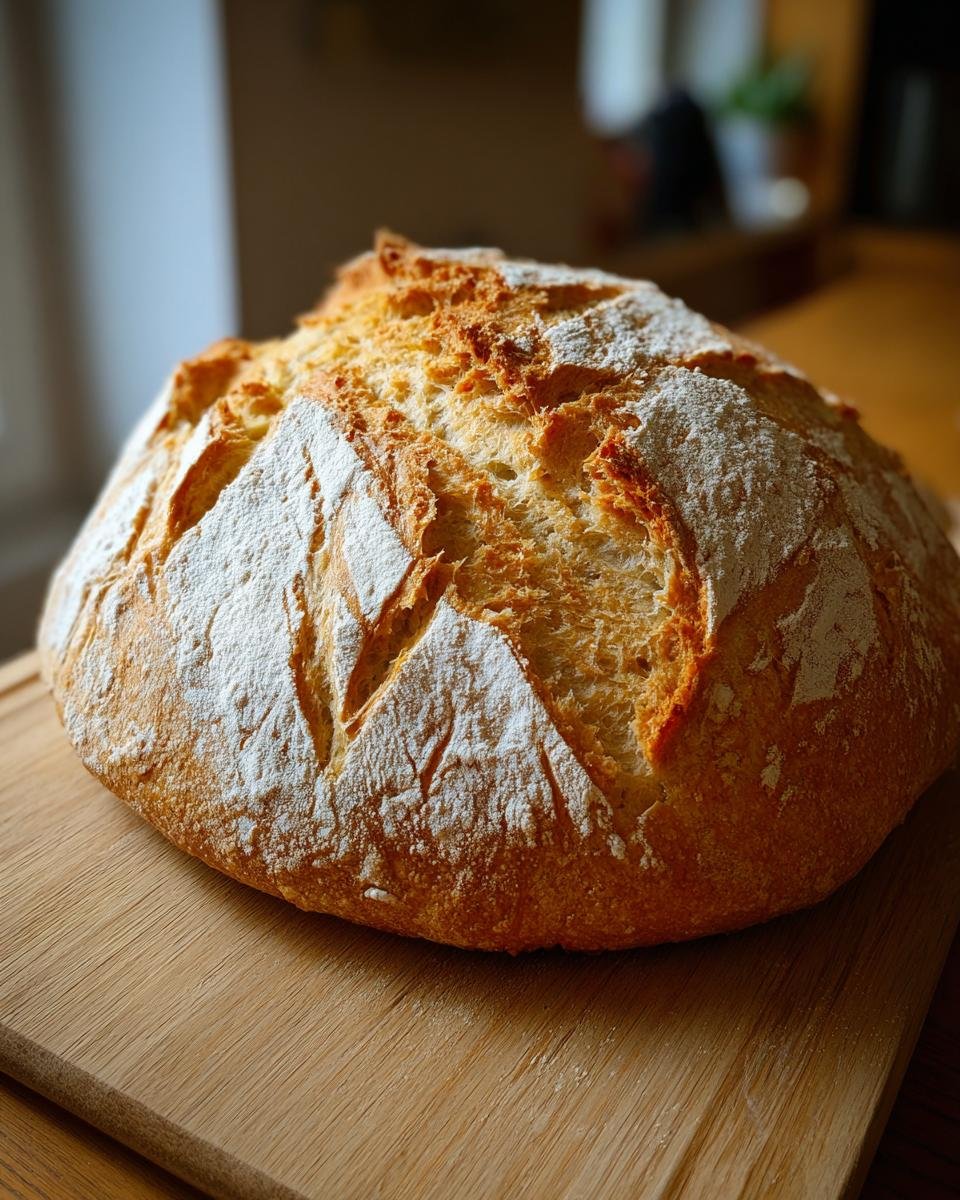
Why You’ll Love This German Bread Recipe
Okay, so why should you try *this* German bread recipe? Trust me, you’re gonna love it! It’s:
- Super easy to make—no fancy equipment needed!
- Uses basic ingredients from your pantry (score!).
- Tastes like you’re in a real German bakery. Seriously!
- Totally versatile. Think epic sandwiches, crispy toast, or dunking in your favorite soup. Yum!
Essential Ingredients for Authentic German Bread
Alright, let’s gather our goodies! To whip up this amazing German bread, you’ll need just a handful of simple ingredients. We’re talking 1 pound of good ol’ bread flour, 1 teaspoon of salt, ½ teaspoon of instant yeast, and 1 ½ cups of warm water. That’s it! Simple, right?
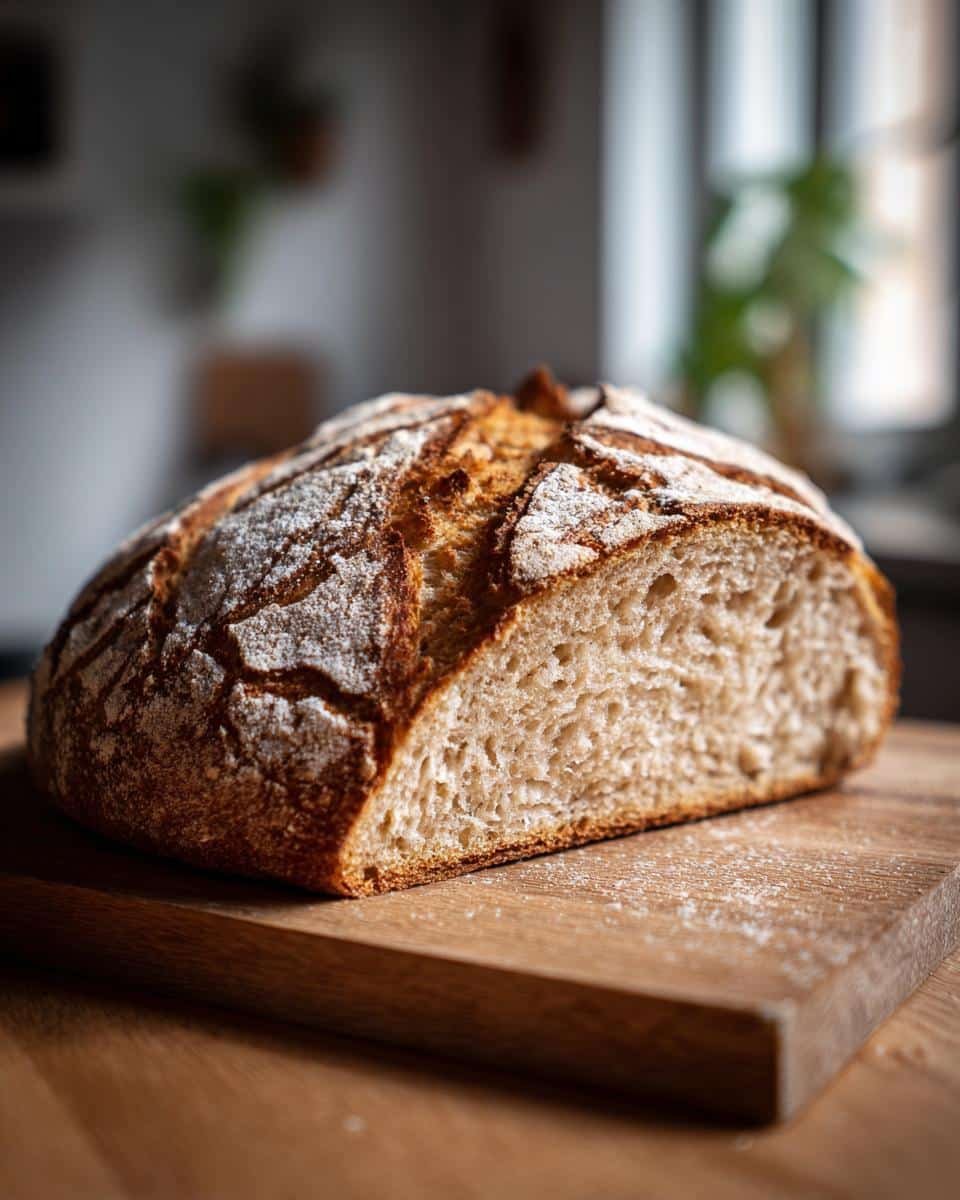
How to Make German Bread: Step-by-Step Instructions
Okay, grab your apron—it’s baking time! This German bread recipe is seriously straightforward. Just follow these steps, and you’ll have a loaf that’ll make you say “Guten Appetit!”
- Mix the Dry Stuff: First, in a large bowl, whisk together that 1 pound of bread flour, 1 teaspoon of salt, and ½ teaspoon of instant yeast. Give it a good mix so everything’s evenly distributed. We don’t want any pockets of saltiness, ya know?
- Add the Water: Now, pour in 1 ½ cups of *warm* water. Not hot, not cold – just nice and warm. I like to use water that feels like bathwater for a baby. Sounds weird, I know, but trust me, it works!
- Mix It Up: Grab a wooden spoon (or your hands, if you’re feeling brave!) and mix everything together until a shaggy dough forms. It’ll be sticky – don’t freak out! That’s totally normal.
- Knead That Dough!: Turn the dough out onto a lightly floured surface. Now, the fun begins! Knead it for about 5 minutes. It’ll start off sticky, but it’ll become smoother and more elastic as you knead. Don’t overdo it, though! Just until it feels nice and pliable.
- Let It Rise: Place the dough in a lightly oiled bowl, turn it to coat, and cover it with plastic wrap (or a clean kitchen towel). Let it rise in a warm place for about 1 hour, or until it’s doubled in size. This is important! It’s what gives the bread its lovely texture. I usually pop it in my (turned-off) oven with the light on.
- Shape It: Gently punch down the dough (boop!). Turn it out onto a lightly floured surface and shape it into a round or oval loaf. Whatever floats your boat when it comes to loaf shapes!
- Bake It!: Preheat your oven to 450°F (232°C). Slide a baking stone or baking sheet into the oven while it preheats — this will help give your bread a super crispy bottom crust! Carefully place the loaf on the hot stone or baking sheet.
- Bake Time!: Bake for 30 minutes, or until the crust is deep golden brown and the bread sounds hollow when you tap it on the bottom. Keep an eye on it! Ovens can be tricky.
- Cool Completely: Let the German bread cool completely on a wire rack before slicing and serving. I know, it’s hard to resist, but trust me, it’s worth the wait! Enjoy every slice!
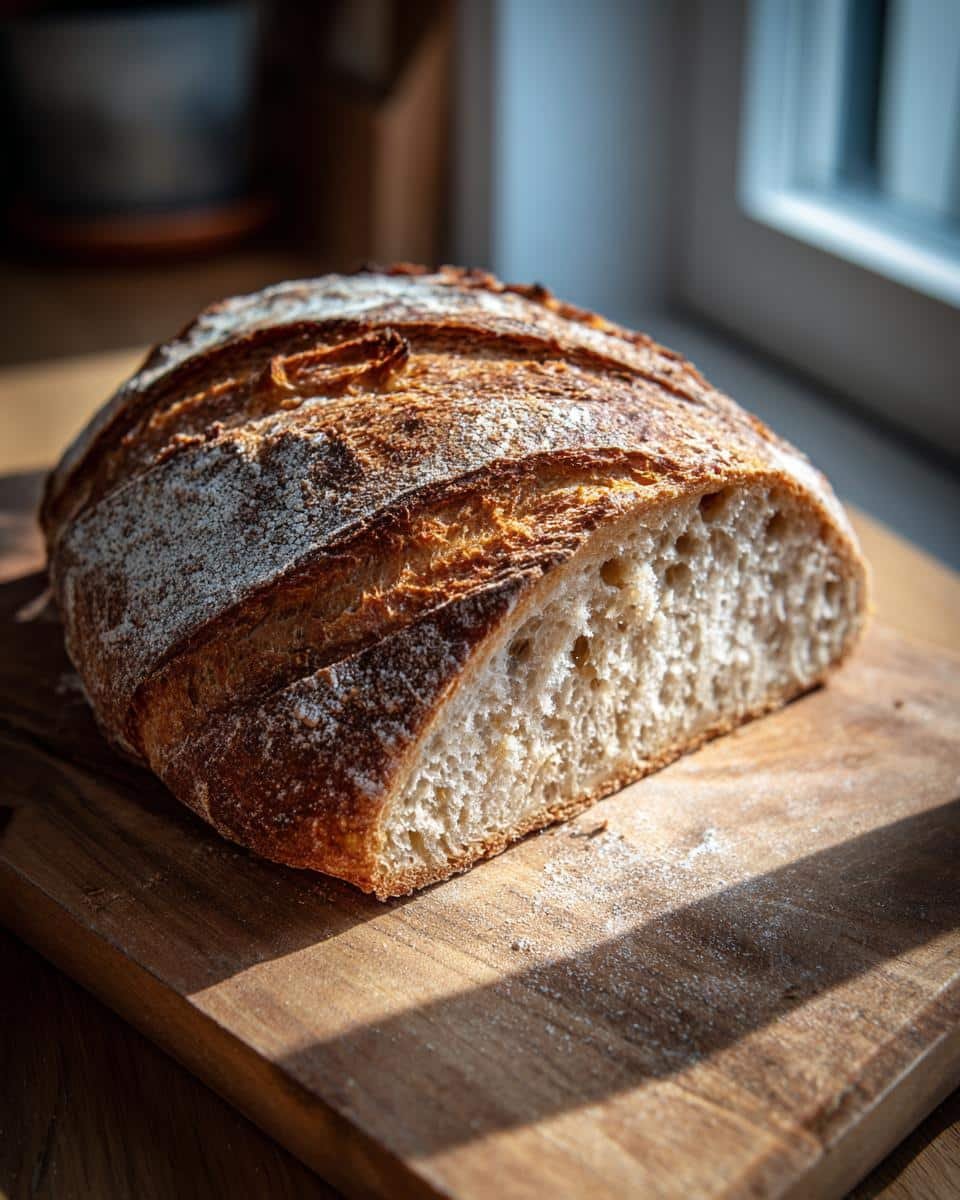
Tips for Baking the Perfect German Bread
Want that bakery-worthy loaf? Of course, you do! Here are my top tips for nailing this German bread recipe every time:
- Don’t be afraid of a sticky dough! It *should* be a little tacky. That’s what gives it that amazing chewy texture.
- Oven temp is key! Make sure your oven is *really* preheated. That hot baking stone makes makes all the difference.
- Listen to your bread! Seriously, tap it! If it sounds hollow, it’s ready. Don’t be afraid to bake it a little longer for a darker crust.
- Let it cool, I know it’s torture, but trust me!! Let the bread cool completely before slicing. This keeps it from getting gummy.
Serving Suggestions for Your Homemade German Bread
Okay, your German bread is baked, cooled (patiently!), and ready to devour. But how to enjoy it? Oh, the possibilities! Obviously, it’s amazing for sandwiches. But think beyond the usual! This bread is fantastic with hearty soups – especially this sausage and potato soup I make. It’s also incredible with German sausage and mustard, some creamy cheeses, or even just a smear of butter. Mmm!
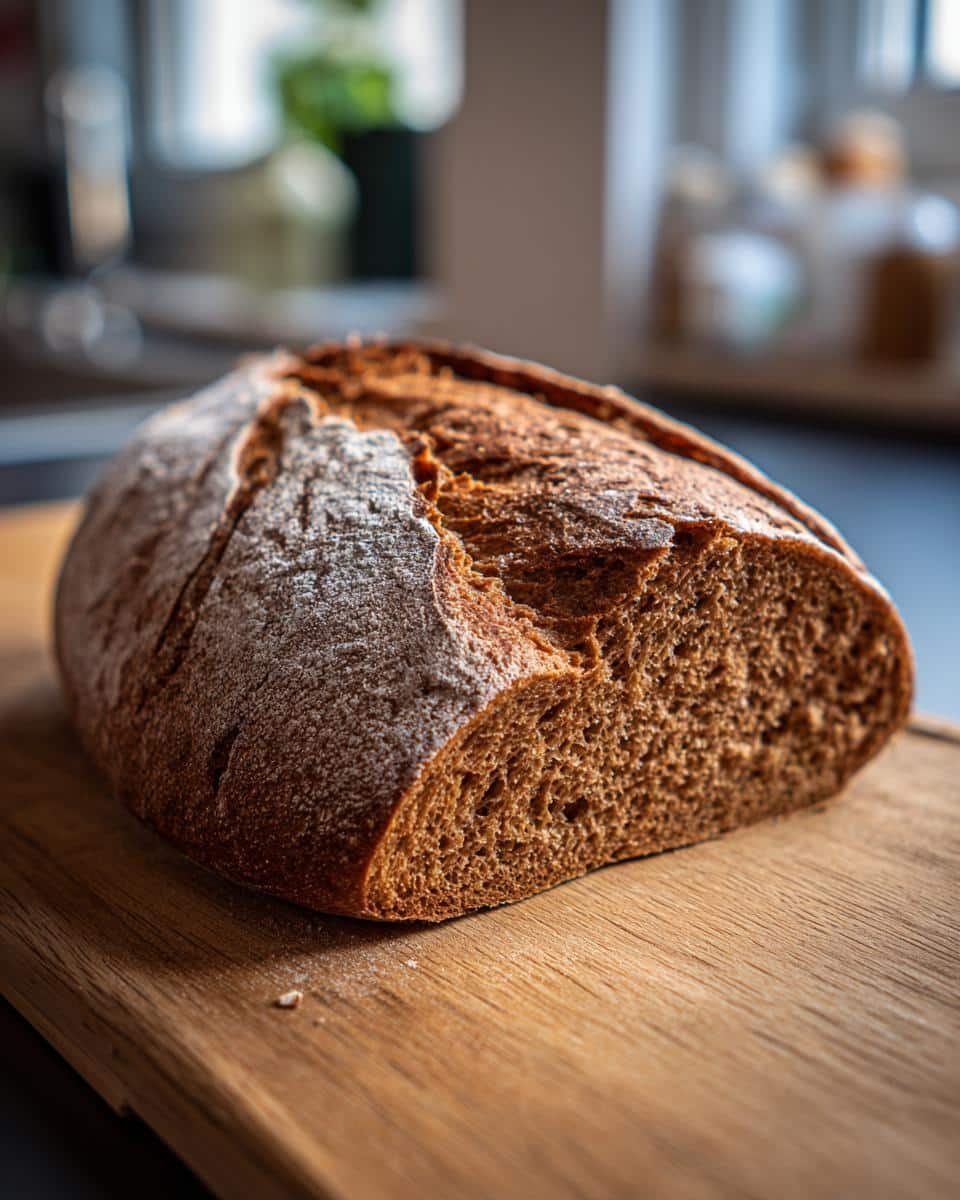
Storing Your Freshly Baked German Bread
Alright, so you’ve baked this beautiful loaf of German bread. Now, how do you keep it fresh? Easy! For short-term storage (like, enjoying it tomorrow!), just pop it in a paper bag. But for longer storage, slice it up (makes it easier later!), wrap it tightly in plastic wrap, and toss it in the freezer. It thaws like a dream!
Frequently Asked Questions About German Bread
Got questions about making German bread? Don’t worry, I’ve probably asked them myself at some point! Here are a few of the most common questions I get. Hopefully this clears things up!
Can I use a different type of flour?
Okay, so bread flour really is the best for that chewy texture we’re going for. But, if you’re in a pinch, you *can* use all-purpose flour. Just know that the texture will be a little different—a little less chewy, maybe a bit more “soft bread” like.
How do I know when the German bread is done?
Ah, the million-dollar question! The best way to tell is to look for that deep golden-brown crust. Seriously, don’t be afraid to let it get nice and dark! And, of course, the tap test: flip that loaf over and give it a tap on the bottom. If it sounds hollow, you’re good to go!
Can I add other ingredients to this German bread recipe?
Absolutely! This is your loaf, after all! Caraway seeds are classic for a reason – they add a great authentic flavor. You could also try adding rye flour for a darker, earthier taste. Or, for a sweeter twist, add some dried cranberries or raisins. Get creative! I’ve even added some toasted sunflower seeds once – YUM!
Estimated Nutritional Information for German Bread
Alright, here’s the lowdown on what’s inside each slice of this German bread (approximately, of course! It always varies!): Calories: 150; Sugar: 2g; Sodium: 200mg; Fat: 1g; Carbs: 30g; Fiber: 2g; Protein: 5g. Remember, it’s just an estimate, depending on exactly what you use!
Enjoyed This German Bread Recipe? Leave a Comment!
So, did you love this German bread recipe? I hope so! Let me know what you think in the comments below! And hey, don’t forget to rate the recipe and share it with your friends. What’s your favorite way to enjoy *your* homemade German bread?
Print
German Bread
- Total Time: 45 min
- Yield: 1 loaf 1x
- Diet: Vegetarian
Description
Traditional German bread recipe.
Ingredients
- 1 pound bread flour
- 1 teaspoon salt
- 1/2 teaspoon instant yeast
- 1 1/2 cups warm water
Instructions
- Combine flour, salt, and yeast in a bowl.
- Add warm water and mix until a dough forms.
- Knead the dough for 5 minutes.
- Let the dough rise for 1 hour.
- Bake at 450°F for 30 minutes.
Notes
- You can add caraway seeds for flavor.
- Prep Time: 15 min
- Cook Time: 30 min
- Category: Bread
- Method: Baking
- Cuisine: German
Nutrition
- Serving Size: 1 slice
- Calories: 150
- Sugar: 2g
- Sodium: 200mg
- Fat: 1g
- Saturated Fat: 0g
- Unsaturated Fat: 1g
- Trans Fat: 0g
- Carbohydrates: 30g
- Fiber: 2g
- Protein: 5g
- Cholesterol: 0mg