 Skip to content
Okay, let’s talk sourdough! There’s something kinda magical about it, right? That tangy flavor, the super-satisfying crust… mmm! And the *real* secret? An active sourdough starter. Forget the dry stuff – we want bubbly, alive, ready-to-go starter. That’s how we’re gonna make some amazing bread today. If you have an active sourdough starter, recipes are ready to go, so get excited.
I remember my first sourdough loaf. Total disaster! Dense, gummy… basically inedible. Turns out, my starter wasn’t happy. But after a few (okay, *many*) tries, I finally got the hang of it. Now, active sourdough starter recipes are my jam!
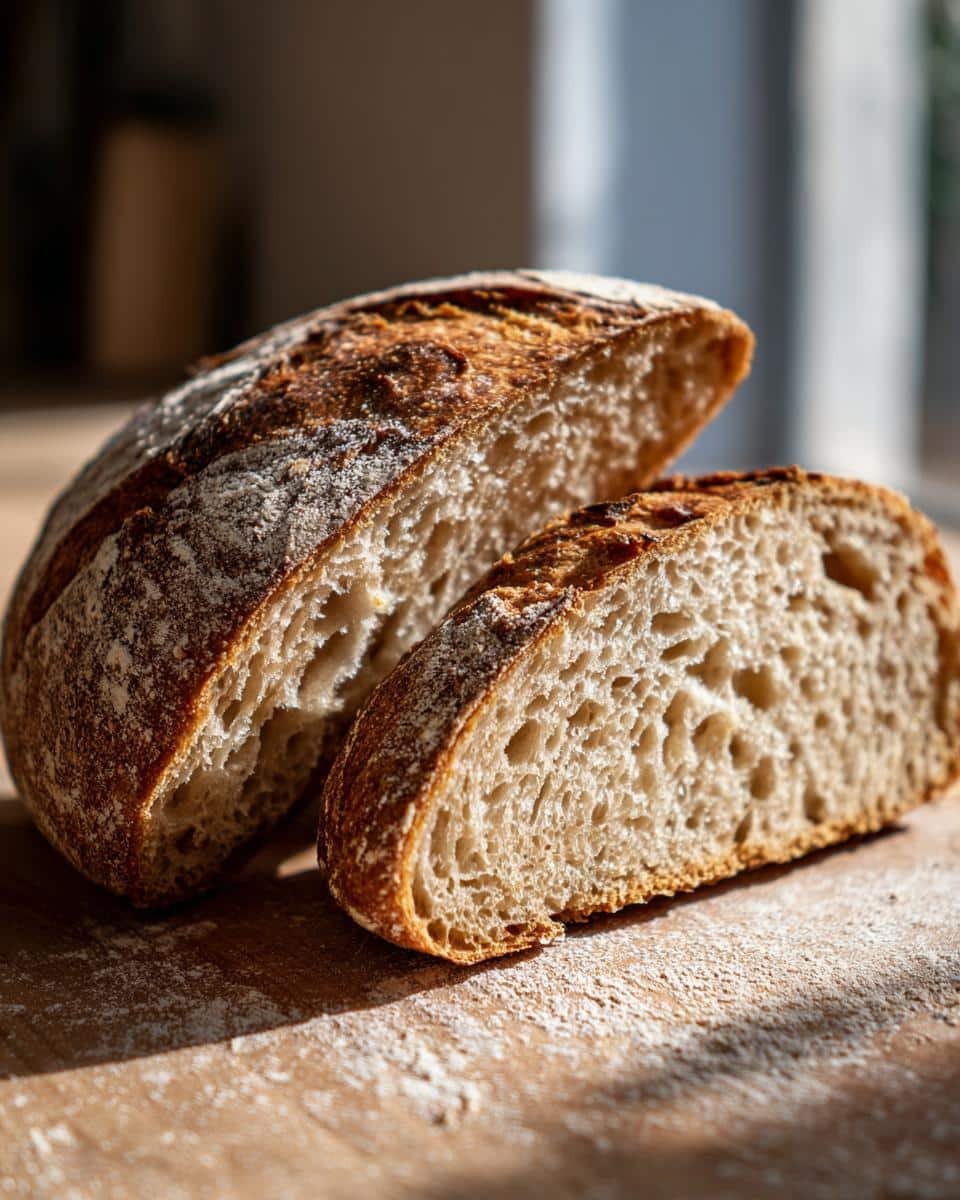
Why You’ll Love These Active Sourdough Starter Recipes
Okay, seriously, why go through the trouble of using an active starter? Trust me, it’s worth it! Here’s the lowdown:
- **Flavor explosion!** That tangy sourdough taste? It’s all thanks to a happy, active starter.
- **Rise to the occasion!** A lively starter means a better rise, so you get a light, airy loaf. No more bricks!
- **Texture heaven.** We’re talking chewy on the inside, crusty on the outside. The *perfect* bite, every time.
- **Surprisingly easy.** Once your starter’s ready, these recipes are actually pretty straightforward. Don’t be scared!
Understanding Your Active Sourdough Starter
So, what’s the big deal with an active sourdough starter anyway? Well, it’s basically a colony of wild yeasts and good bacteria living in a cozy flour-and-water home. And that’s what makes sourdough… well, sourdough! It’s *alive*, and that’s why it’s so important for getting that yummy flavor and perfect rise we all crave.
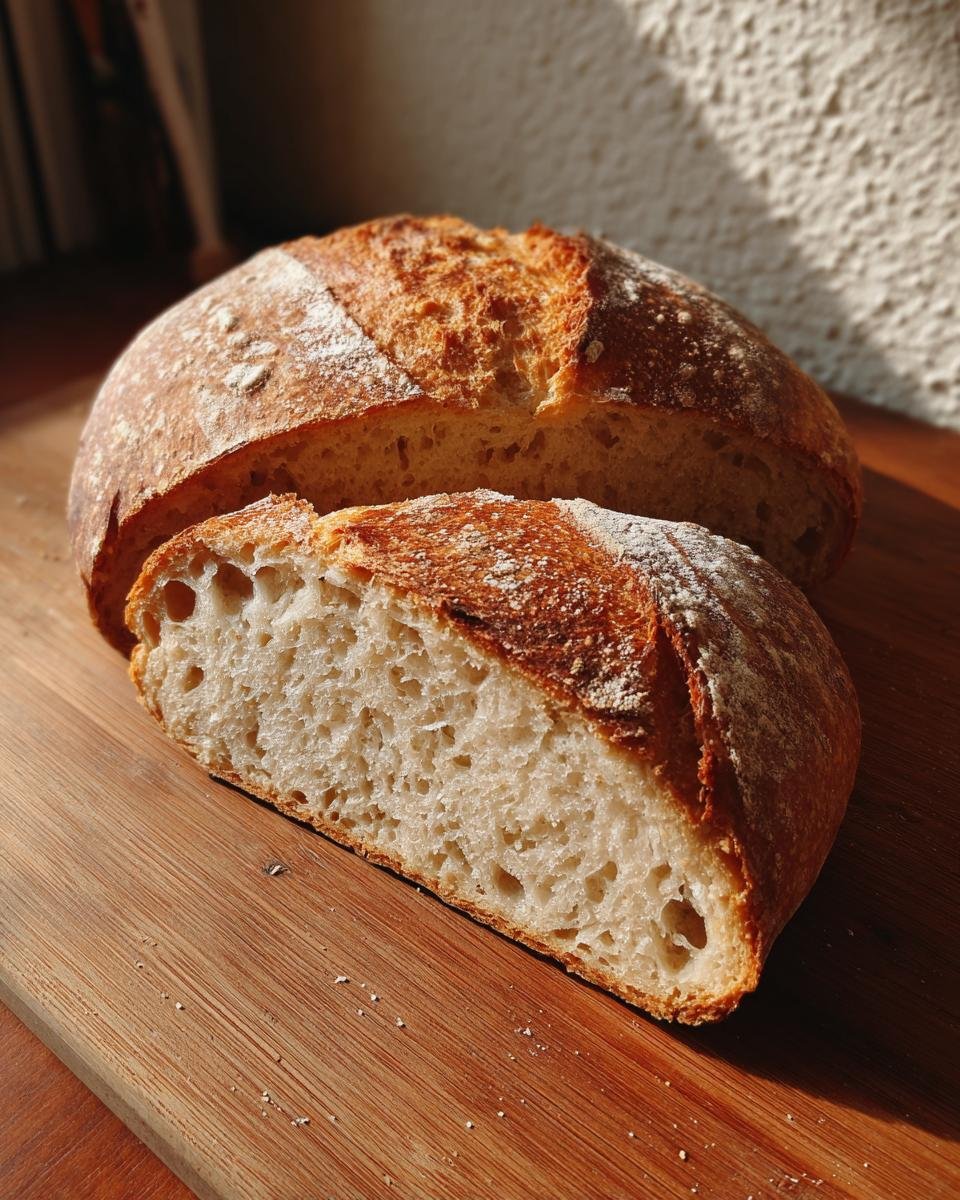
How do you know if your starter’s ready to rock? Look for bubbles – lots of ’em! It should have at least doubled in size after feeding, and have a slightly tangy (but not gross) smell. Think yogurt, not gym socks, hahaha! Basically, if it looks like it’s alive and happy, it probably is.
Okay, here’s my super-important tip: a happy starter is a *fed* starter. I usually feed mine every 12-24 hours. If you’re baking a lot, you might need to feed it more often. And if you’re going on vacation? Pop it in the fridge! It’ll slow down the activity. Just remember to take it out and feed it a few times before you’re ready to bake again. You got this!
Ingredients for These Active Sourdough Starter Recipes
Alright, let’s get down to it! Here’s what you’ll need to whip up some seriously amazing sourdough. Nothing too crazy, I promise!
- 1 cup active sourdough starter (fed and bubbly – the key to everything!)
- 2 cups all-purpose flour (unbleached is best, plus extra for dusting, you know, when things get flour-y, haha!)
- 1 cup lukewarm water (not too hot, not too cold, Goldilocks style!)
- 1 teaspoon sea salt (because flavor!)
How to Prepare These Active Sourdough Starter Recipes
Okay, deep breaths! Making sourdough isn’t as scary as it looks. I promise we’ll get through this together! Just follow these steps, and you’ll be enjoying a warm, crusty loaf in no time.
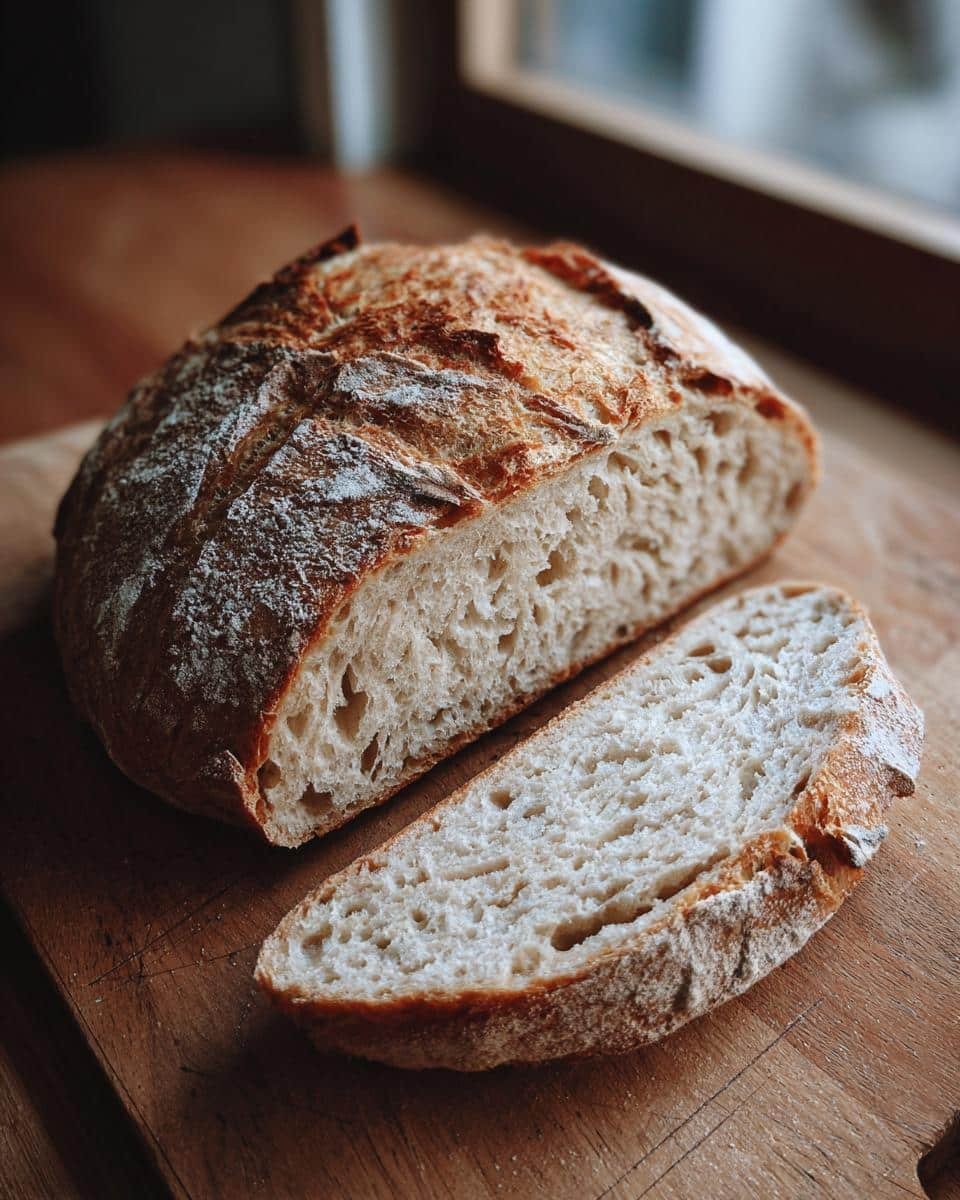
- Mix it up! In a large bowl, combine your 1 cup of active sourdough starter, 2 cups of flour, 1 cup of lukewarm water, and 1 teaspoon of sea salt. I usually just use my hands ’cause, well, it’s fun! But a dough scraper works great too. Mix until a shaggy dough forms. Don’t worry if it’s not perfectly smooth – we’ll get there.
- Rest and relax. Cover the bowl with a damp towel or plastic wrap (I reuse mine – gotta be eco-friendly, right?). Let the dough rest for 30 minutes. This is called the autolyse, and it helps the flour fully absorb the water. Trust me, it makes a difference!
- Knead it out! Turn the dough out onto a lightly floured surface. Knead for about 5 minutes, or until it becomes smooth and elastic. Don’t go crazy, you don’t wanna overwork it. If it’s too sticky, add a *tiny* bit more flour. Careful, adding too much will make your bread tough!
- The long rise. Place the dough in a lightly oiled bowl, turning to coat. Cover it again with that damp towel or plastic wrap. Now comes the waiting game! Let it rise for 4-6 hours, or until it has almost doubled in size. The time really depends on the temperature of your kitchen. Warmer = faster rise.
Okay, pro tip: During the rise, do some stretch and folds! About every hour, gently stretch one side of the dough up and fold it over onto itself. Repeat around the entire dough ball. This helps build strength and structure. It’s like giving your dough a little workout! Don’t overdo it, though. About 3-4 times is enough.
- Shape up! Gently turn the dough out onto a lightly floured surface. Shape it into a round or oval loaf, whatever you prefer. I usually go for round ’cause it’s easier (haha!). Place the shaped loaf in a banneton basket lined with flour or a floured towel. This helps it keep its shape while it rises again.
- Final proof. Cover the loaf and let it proof for another 30-60 minutes.
While it is proofing preheat your oven to 450°F (232°C). If you’re using a Dutch oven preheat it, too. Be careful, they’re HOT!
- Score and bake!. Carefully turn the loaf out of the basket onto a piece of parchment paper. Score the top of the loaf with a sharp knife or lame. This helps it expand properly in the oven and prevents it from cracking in weird places. Plus, it looks cool, right? Slide the parchment paper with the loaf into the preheated Dutch oven (or onto a baking stone). If you don’t have a Dutch oven, you can bake it on a baking sheet, but the crust won’t be quite as amazing.
- Bake time! If using a Dutch oven, cover and bake for 20 minutes. Then, remove the lid and bake for another 20-30 minutes, or until the crust is deep golden brown and the internal temperature reaches 200-210°F (93-99°C). If baking on a baking sheet, you might need to reduce the baking time slightly. Just keep an eye on it!
- Cool it down! Carefully transfer the loaf to a wire rack and let it cool completely before slicing. I know, it’s torture, but trust me, it’s worth the wait! Slicing it too soon will result in a gummy interior. Be patient!
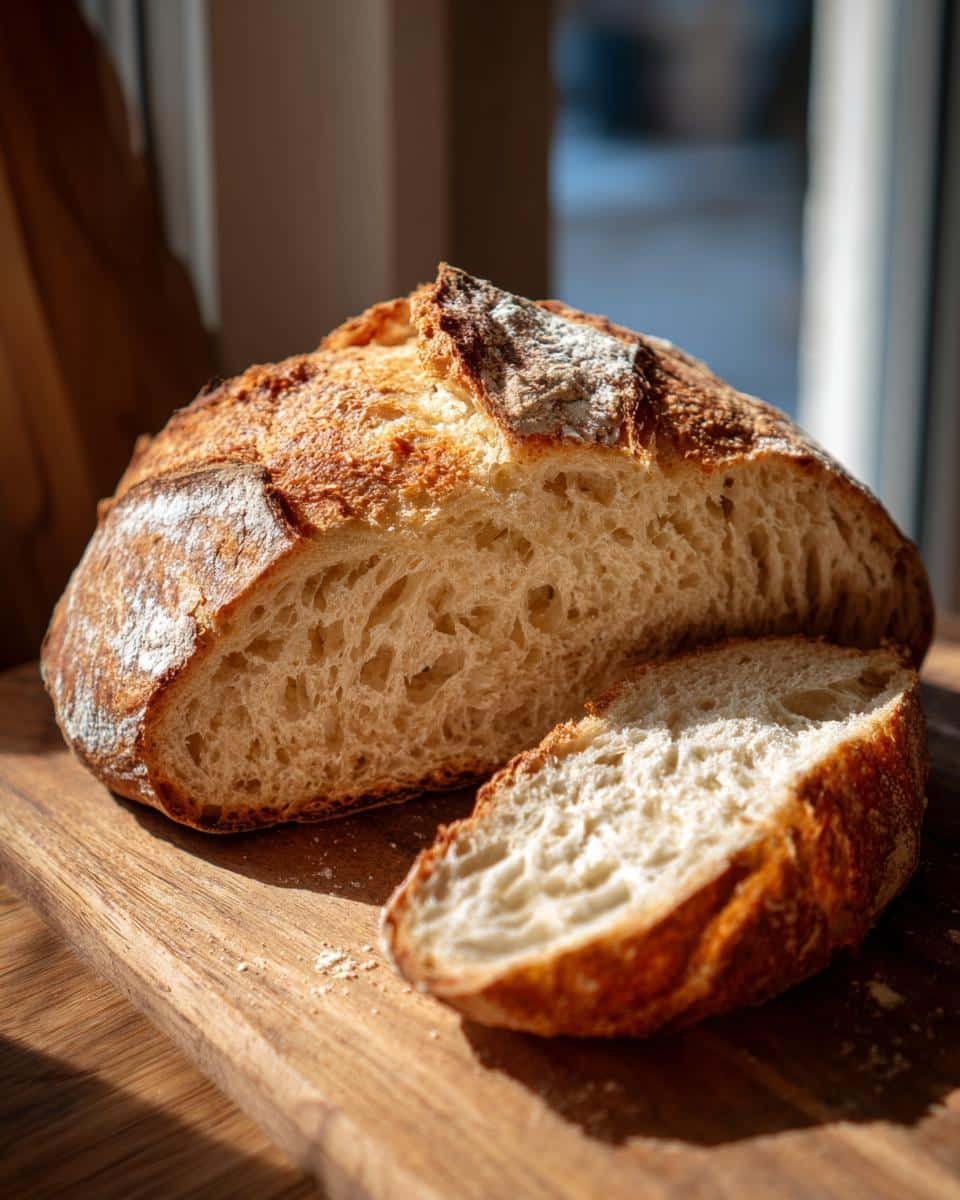
Tips for Success with Active Sourdough Starter Recipes
Want to bake sourdough like a pro? Here are a few of my favorite tips that will help you get that perfect loaf every time!
- Don’t over-knead. Seriously, it’s a thing! Over-kneading makes your bread tough. We want tender and chewy, not rubbery. Aim for that smooth, elastic dough and then STOP!
- Dutch oven magic! If you have a Dutch oven, USE IT! It traps steam, which creates a super crusty crust. It’s like a little bread sauna in there.
- Score it! Score it good! Don’t skip the scoring step. It’s not just for looks (though it *does* look pretty!). Scoring helps control where the bread expands in the oven.
- Patience, grasshopper! Let the bread COOL COMPLETELY before slicing. It’s tempting, I know, but trust me on this one. It needs that time to set properly.
- Listen to your dough (really!). Sourdough baking is more of an art than a science. Pay attention to how the dough feels, how it smells, and how it looks. The more you bake, the better you’ll get at “reading” your dough.
Serving Suggestions for Your Active Sourdough Starter Recipes
Okay, you’ve got this gorgeous loaf of sourdough… now what? Don’t just stand there and admire it (though you totally can for a minute!). It’s time to EAT!
Seriously, sourdough goes with almost anything. Think hearty soups (like a creamy tomato soup!), fresh, vibrant salads, or a killer cheese board piled high with your favorite goodies. And, of course, sourdough sandwiches are always a winner. I love mine with avocado and everything bagel seasoning – yum!
FAQ About Active Sourdough Starter Recipes
Got sourdough questions? I’ve got answers! Here are a few of the most common things people ask me about baking with an active sourdough starter. Don’t worry, there are no dumb questions here. We’ve all been there, baking sourdough is all about trial and error.
Can I use a different type of flour?
Absolutely! While I usually use all-purpose, you can totally experiment with other flours in these active sourdough starter recipes. Bread flour will give you a chewier texture, while whole wheat will add a nutty flavor. Just keep in mind that different flours absorb water differently, so you might need to adjust the amount of water you use. Start with the recipe as written and then add water in small increments to see if it is looking good as you go.
What if my starter isn’t active enough?
Oh no! Okay, first, don’t panic! If your starter isn’t doubling in size after feeding, it might just need a little extra love. Try feeding it more frequently, or using warmer water. You can also try using a different brand of flour. Sometimes, certain flours just don’t play well with sourdough starters. And hey, if all else fails, you can always use your sourdough discard for something yummy, like this incredible sourdough discard cinnamon quick bread!
How long will the bread last?
Freshly baked sourdough is best enjoyed within the first few days. But don’t worry, it doesn’t magically disappear after that! To keep it fresh, store it in a bread bag or airtight container at room temperature. You can also freeze it for longer storage. Just slice it before freezing, so you can easily grab a piece whenever you want it. Then, just pop it in the toaster, and it will be like a freshly baked slice of amazing sourdough!
Nutritional Information for Active Sourdough Starter Recipes
Okay, here’s the deal: all nutritional information is just an estimate. It totally depends on the exact brands and amounts of ingredients you use. I can’t guarantee these numbers are spot-on, so just keep that in mind!
Enjoy Your Homemade Active Sourdough Bread!
Alright, you made it! Now get baking. Seriously, give this recipe a try – you won’t regret it! And when you do (because I *know* you will), be sure to snap a pic and share it with me! Leave a comment below and let me know how it turned out. I can’t wait to hear about all your sourdough successes. Also if you liked it, remember to leave a rating!
Print
Active Sourdough Starter Recipes
- Total Time: 45 min
- Yield: 1 loaf 1x
- Diet: Vegetarian
Description
Recipes using active sourdough starter.
Ingredients
- 1 cup active sourdough starter
- 2 cups flour
- 1 cup water
- 1 teaspoon salt
Instructions
- Combine starter, flour, water, and salt.
- Mix until a dough forms.
- Let rest for 30 minutes.
- Knead for 5 minutes.
- Let rise for 4-6 hours.
- Bake at 450°F for 30 minutes.
Notes
- Adjust baking time for desired crust.
- Use high-quality flour for best results.
- Prep Time: 15 min
- Cook Time: 30 min
- Category: Baking
- Method: Baking
- Cuisine: French
Nutrition
- Serving Size: 1 slice
- Calories: 150
- Sugar: 2g
- Sodium: 200mg
- Fat: 1g
- Saturated Fat: 0g
- Unsaturated Fat: 1g
- Trans Fat: 0g
- Carbohydrates: 30g
- Fiber: 2g
- Protein: 5g
- Cholesterol: 0mg